The Work
Better for the work. Better for the human.
We help organizations understand how work happens through the experience of the people doing it, then redesign the conditions that shape that experience. Our work brings together organizational psychology, behavioral science, and physical environment design.
Engagements can include on-site observation, remote work, leadership conversations, workshops, and implementation support.


Organizational Diagnostics
( 01 )
Understand what’s really happening
( Behavior Brief )
Look beneath challenges in performance, collaboration, leadership, or culture. Understand the conditions contributing to them and where change would make the greatest difference.

Work Redesigned
( 02 )
Change how work happens
( System Map )
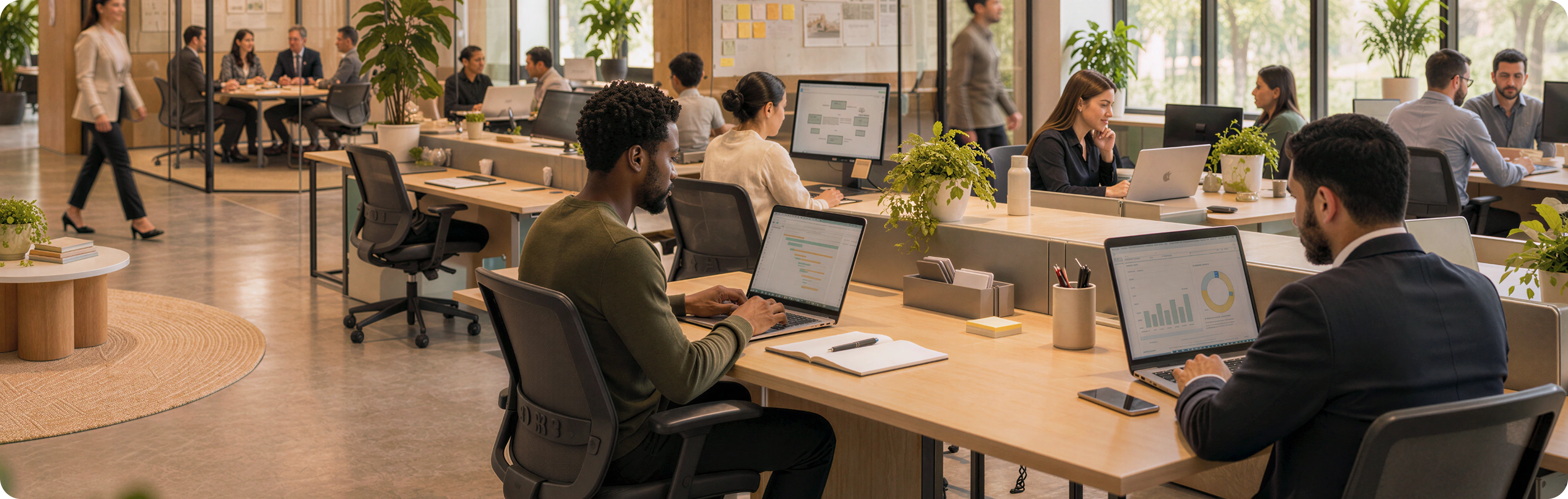
Rethink workflows, decision-making, leadership practices, and ways of working so the organization can grow and perform without making work unnecessarily difficult for its people.

Places & Experiences
( 03 )
Design the environment around and for people
( Human Blueprint)
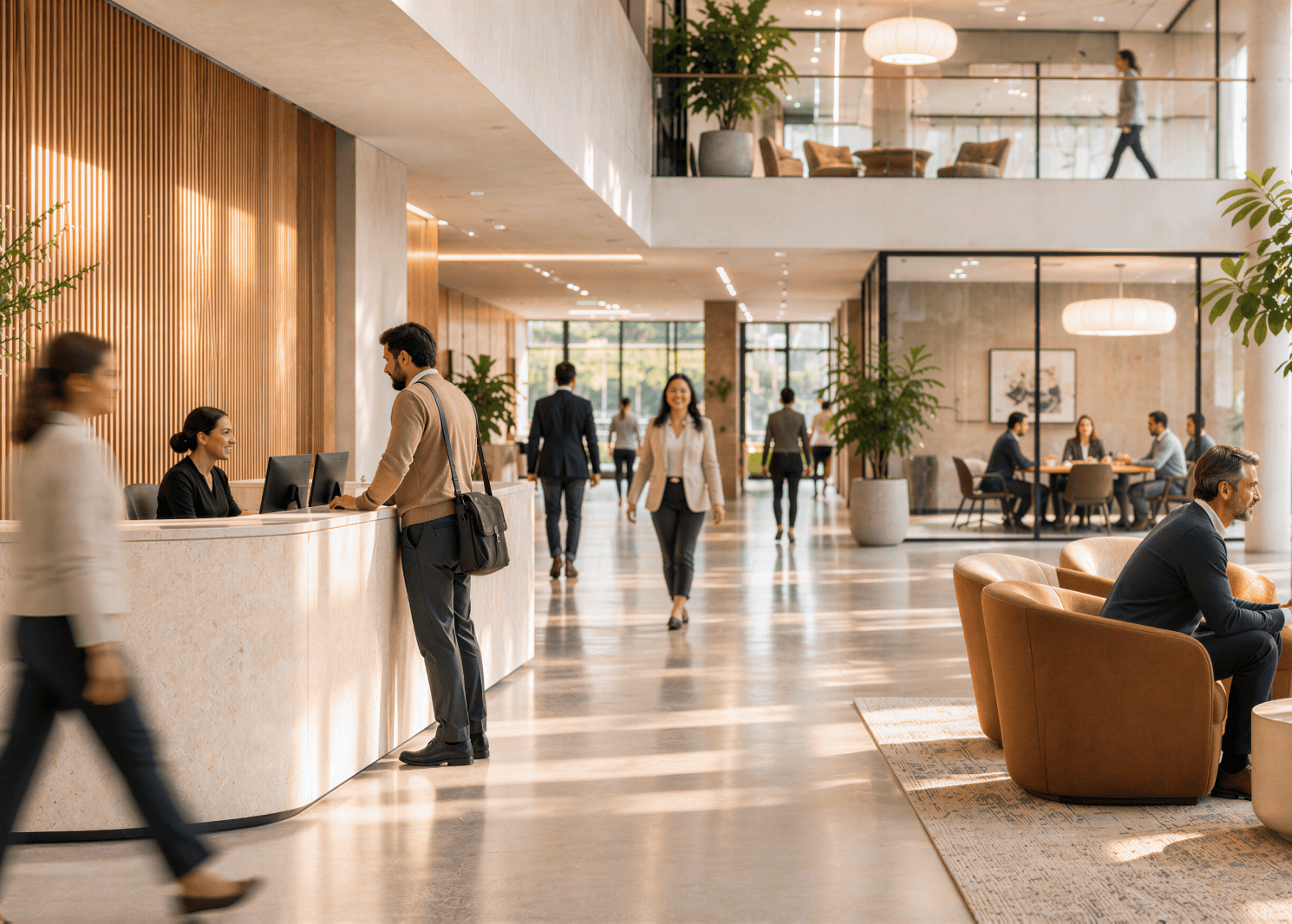
Bring behavioral science and human experience into decisions about new facilities, existing workplaces, and technology. Look at how people will use them and what they need to work well.
From Experiencing
to ( redesign).
( 01 )
Experience
We begin with the work and the people experiencing it. We spend time in its daily rhythm, having conversations, observing, and making sense of what we learn.
( 02 )
Connect
We connect the work that needs to be done with what people experience, identifying patterns, points of friction, and contradictions.
( 03 )
ReDesign
We develop practical changes, test them, and learn from how people respond. We consider both what people need to do and the places surrounding them.
The Perspective
Organizations are
carefully designed.
( The human
experience ) often isn’t.
Buildings are carefully designed for safety, material flow, and what the organization needs to accomplish, followed by processes and reporting structures.
But the human experience that emerges from those decisions often happens in the spaces between them. We look at point A and point B, when what needs our attention may be what happens in between:
Spaces where people can find a place to think.
Time and space to recover after taxing work.
Teams can naturally meet each other.
Environments where basic needs are met.
These experiences shape behavior. Over time, patterns form. People learn what’s expected without being taught.
Eventually, we call this ( culture ).